Ginger is known for its exceptional antiseptic and anti-inflammatory properties that help reduce joint pain and swelling. It is also known to increase blood circulation, which is fruitful to cut down pain in the affected areas. You can drink ginger tea
How to Make Ginger Tea It’s easy: Buy a piece of fresh ginger. Trim off the tough knots and dry ends. Carefully peel it. Cut it into thin, crosswise slices. Put a few of the slices in a cup or mug. Pour in boiling water and cover. To get all the goodness of the ginger, let the slices steep for at least 10 minutes.
January can be a tough month. The days are short, the weather is cold, and it’s easy to feel sluggish and unmotivated. But with a little effort, we can cultivate warmth and vitality from within. This month, let’s explore Eagle Pose (Garudasana), a balancing pose that not only strengthens the legs and core but also generates internal heat.
Strengthens: Legs, ankles, core, shoulders, and upper back. Improves: Balance, coordination, and focus. Stimulates: Internal organs, particularly the liver and spleen. Generates: Internal heat to combat the chill.
How to Practice Eagle Pose:
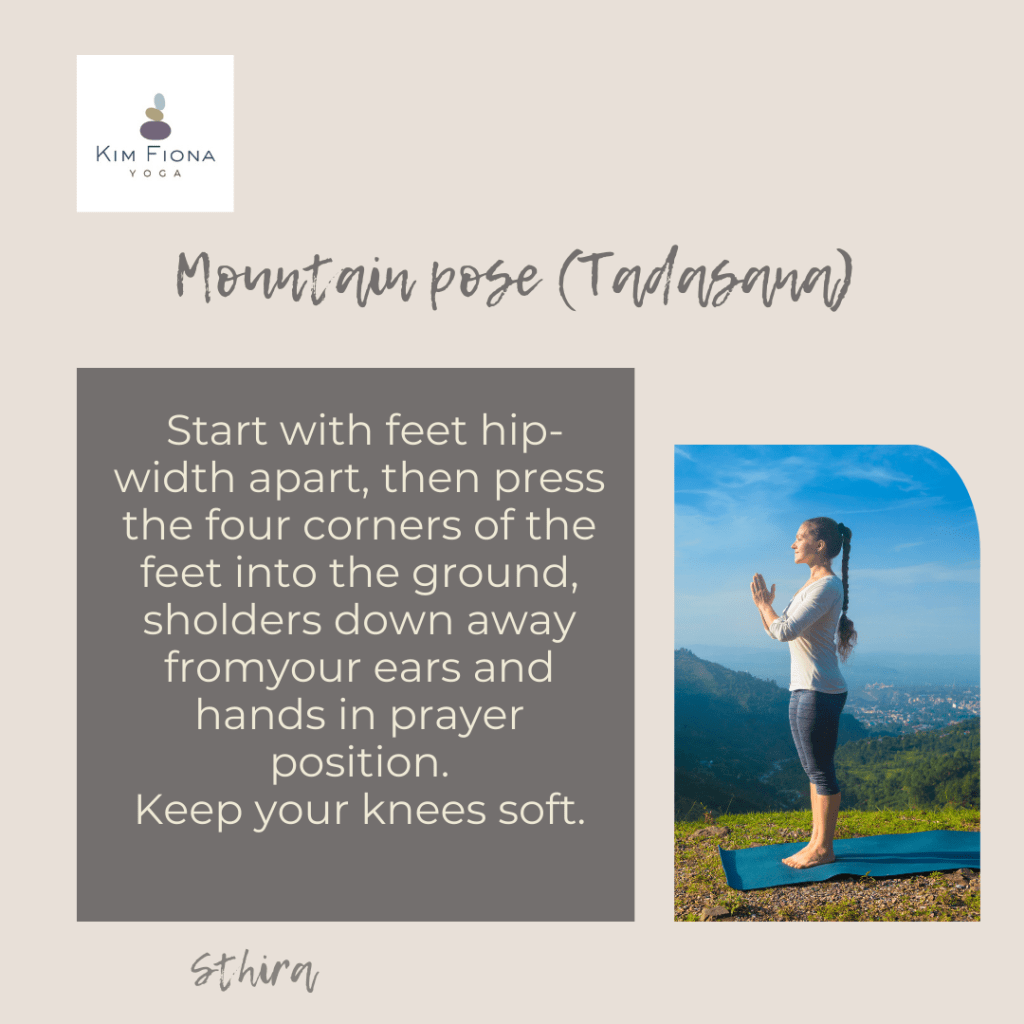
Start Standing: Begin in Tadasana (Mountain Pose) with feet hip-width apart.
Sauté the Onions: Heat the olive oil and butter (if using) in a large pot over medium heat. Add the sliced onions and sugar, and cook, stirring occasionally, until softened and caramelized, about 30-40 minutes.
Add Broth and Wine (or Substitute): Pour in the vegetable broth, wine (or substitute), thyme sprigs, and bay leaves. Season with salt and pepper. Bring to a simmer, then reduce heat and cook for at least 30 minutes, or until the flavors have melded.
Serve: Ladle the soup into oven-safe bowls. Top each bowl with a slice of crusty bread and a generous amount of Gruyere cheese (or substitute). Broil under the oven’s broiler until the cheese is melted and bubbly. Serve immediately.
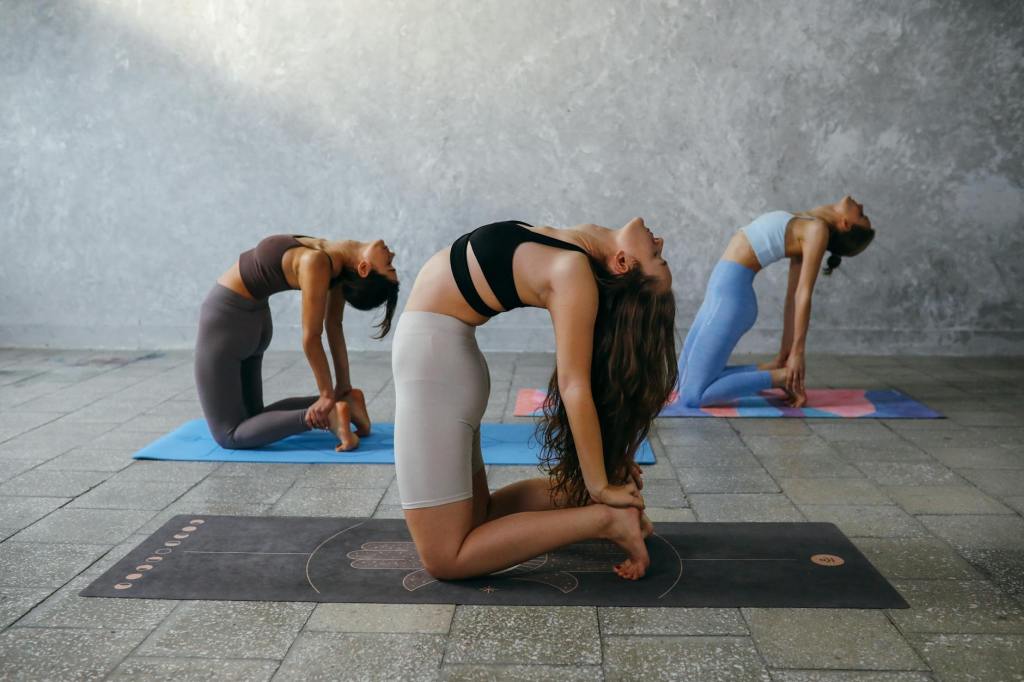
Yoga: A mind-body practice that combines physical postures, breathwork, and meditation. It’s a gentle yet powerful way to increase flexibility, improve balance, build strength, and reduce stress. Yoga also offers deep therapeutic benefits, easing chronic pain, improving sleep, and boosting mood
Pilates: Focuses on core strength, muscle control, and precision. It’s great for improving posture and toning muscles, but it may be less accessible for those with limited mobility or chronic pain.
Gentle on joints: Yoga’s flowing movements are kind to aging bodies, helping to maintain joint health and reduce pain.
Stress relief: Yoga’s emphasis on breath and mindfulness helps to calm the nervous system and reduce stress, promoting better sleep and emotional well-being.
Balance and flexibility: Yoga improves balance and flexibility, reducing the risk of falls and injuries.
Inner peace: Yoga’s meditative aspects cultivate a sense of inner peace and contentment, essential for navigating life’s challenges with grace.
Note: This social media post is designed to highlight the benefits of yoga for the over 40s, particularly its therapeutic aspects. However, it is crucial to consult a healthcare professional before starting any new exercise program, especially if you have any health concerns.
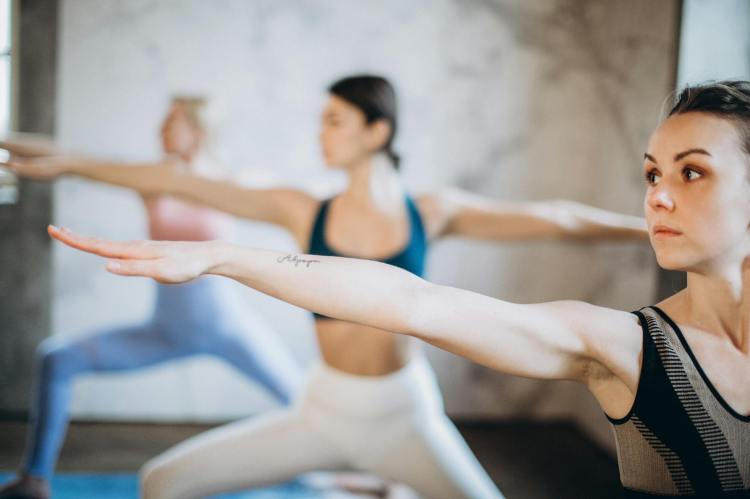
Namaste, dear yogis! Today, let’s delve into the beautiful world of Hatha Yoga, a practice that has touched countless lives, including my own.
What is Hatha Yoga?
At its core, Hatha Yoga is a path to union. “Ha” represents the sun, symbolising energy and vitality, while “tha” embodies the moon, reflecting calmness and receptivity. Hatha Yoga seeks to harmonise these opposing forces within us, fostering a state of balance and wholeness.
It is a practice that combines physical postures (asanas), breathing techniques (pranayama), and meditation (dhyana). Through mindful movement and breath awareness, we cultivate a deeper connection to our bodies and minds.
The benefits of a regular Hatha Yoga practice are abundant. It can:
Improve physical health: Increased flexibility, strength, and balance are just a few of the physical benefits you can expect. Hatha Yoga can also improve cardiovascular health, boost immunity, and aid in pain management.
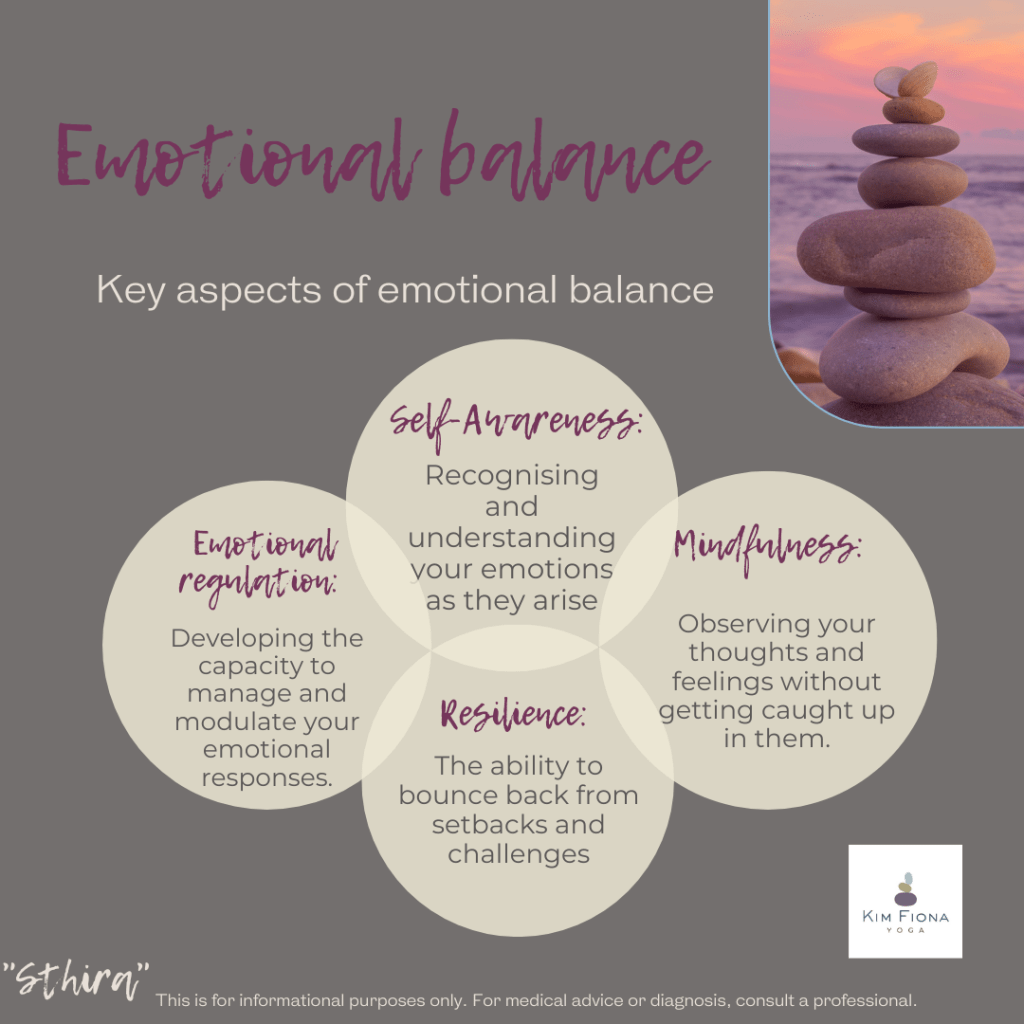
Enhance mental well-being: Hatha Yoga is a powerful tool for stress reduction and anxiety management. It promotes mental clarity, focus, and emotional balance.
Deepen self-awareness: Through the practice, we become more attuned to our bodies, thoughts, and emotions. This heightened self-awareness can lead to personal growth and transformation.
Hatha Yoga has been used for centuries as a therapeutic tool. Its gentle yet powerful approach can aid in healing on various levels:
Physical healing: Hatha Yoga can be adapted to address specific physical ailments, such as back pain, arthritis, and digestive issues. It can also support recovery from injuries and surgeries.
Mental and emotional healing: The practice can be incredibly beneficial for those dealing with anxiety, depression, and trauma. It provides a safe space to explore and process emotions, fostering resilience and inner peace.
Spiritual healing: Hatha Yoga can facilitate a deeper connection to our inner selves and the universe. It can awaken a sense of purpose and meaning, leading to spiritual growth and fulfilment.
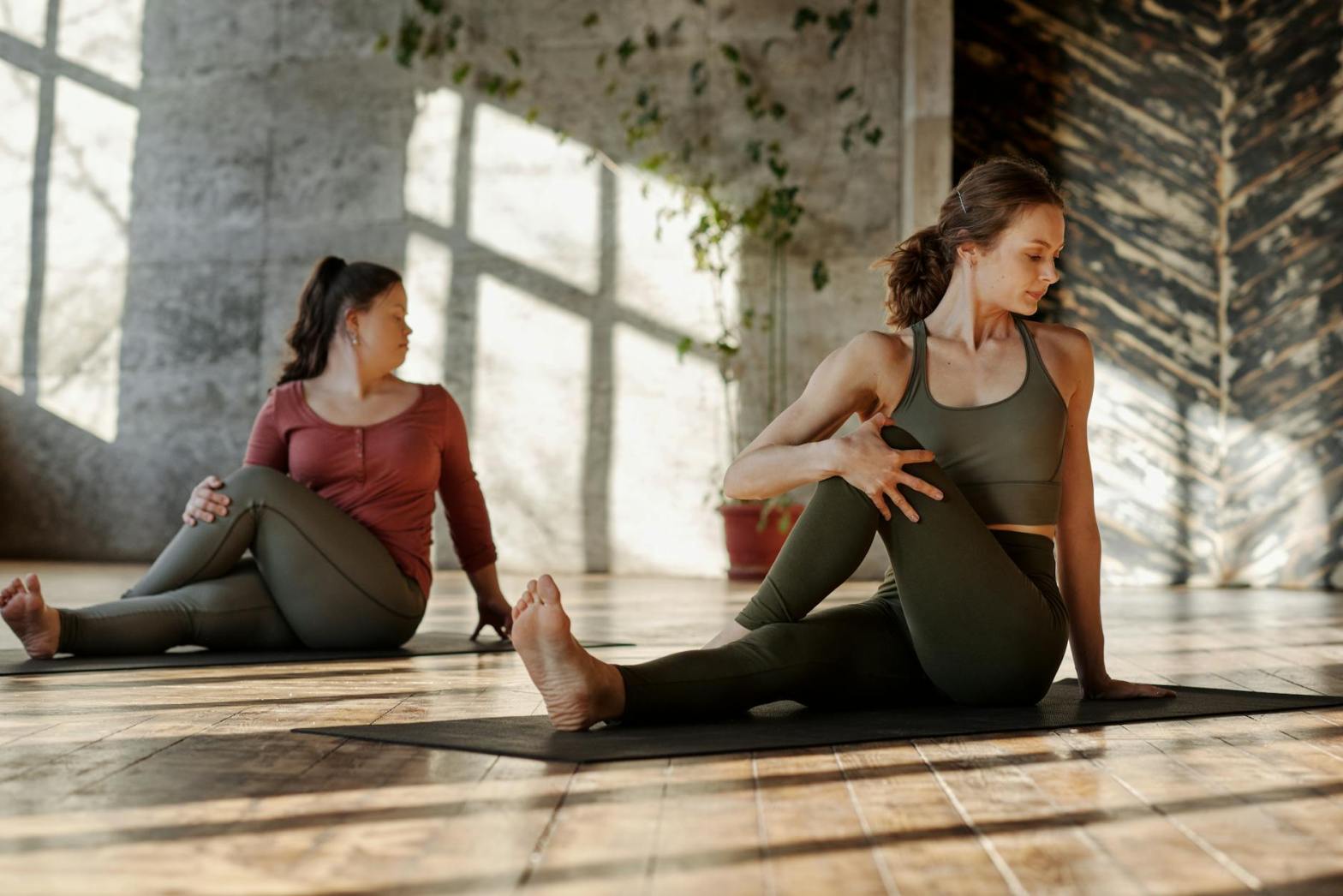
If you’re new to yoga, I encourage you to start with a beginner’s class led by a qualified teacher. They can guide you through the poses safely and effectively. Remember, Hatha Yoga is a journey, not a destination. Honour your body, listen to its wisdom, and enjoy the process of unfolding.
Whether you seek physical fitness, mental clarity, or spiritual connection, Hatha Yoga offers a path to wholeness and healing. Embrace the practice, and let its transformative power unfold within you.
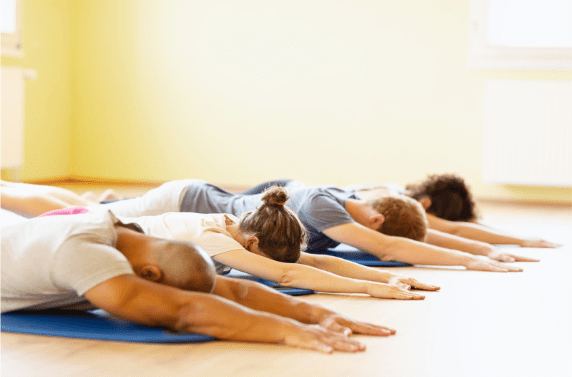
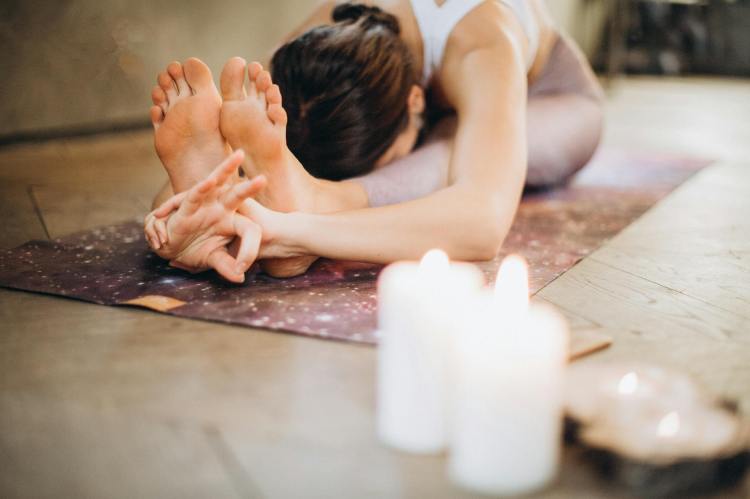
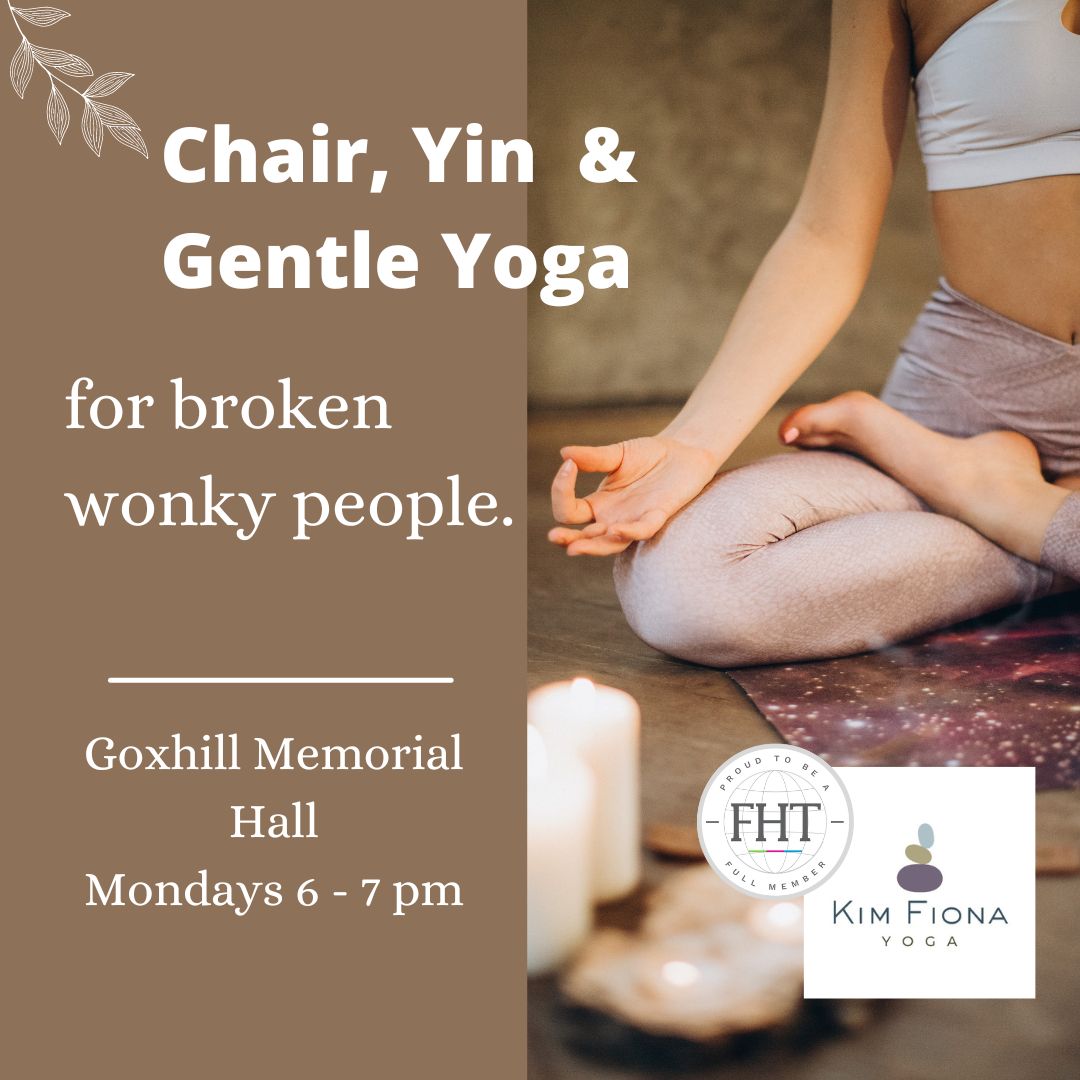
Yin yoga is a slow-paced style of yoga that focuses on holding poses for a longer period of time. Unlike more dynamic forms of yoga, yin yoga doesn’t emphasise muscular strength or flexibility, but rather targets the connective tissues, such as fascia and tendons.
By holding poses for several minutes, you allow the tissues to stretch and release, promoting relaxation and improving flexibility. Yin yoga is often practiced on the floor, using props like blankets and blocks to support your body and deepen the stretches.
Yin yoga can be a great way to reduce stress, improve balance, and enhance overall well-being. It’s suitable for people of all ages and fitness levels, as it’s a gentle practice that doesn’t require a high level of physical strength or flexibility.
In the intricate tapestry of the human body, the central nervous system reigns supreme as the master conductor, orchestrating a symphony of thoughts, emotions, and actions. Yoga, with its ancient wisdom and mindful practices, offers a profound pathway to harmonize this complex system, fostering a state of balance and well-being.
The CNS, comprising the brain and spinal cord, is the communication highway of the body. It receives, processes, and transmits information, enabling us to perceive the world around us and respond accordingly.
However, in today’s fast-paced world, our CNS is often bombarded with stimuli, leading to stress, anxiety, and a sense of overwhelm. This chronic overstimulation can disrupt the delicate balance of the nervous system, impacting our physical and mental health.
Yoga’s Gentle Influence
Yoga, with its emphasis on mindful movement, breath control, and meditation, offers a sanctuary for the weary CNS. Through its gentle practices, yoga helps to:
Activate the Parasympathetic Nervous System: The parasympathetic nervous system, often referred to as the “rest and digest” system, is responsible for promoting relaxation and restoration. Yoga’s slow, deliberate movements, coupled with deep, rhythmic breathing, trigger the parasympathetic response, countering the stress-induced “fight or flight” mode.
Reduce Cortisol Levels: Chronic stress leads to elevated levels of cortisol, a hormone that can wreak havoc on the body and mind. Studies have shown that regular yoga practice can significantly reduce cortisol levels, promoting a sense of calm and well-being.
Enhance Brain Function: Yoga’s meditative aspects cultivate focus and concentration, strengthening neural pathways and improving cognitive function. The practice also encourages mindfulness, allowing us to observe our thoughts and emotions without judgment, promoting emotional regulation.
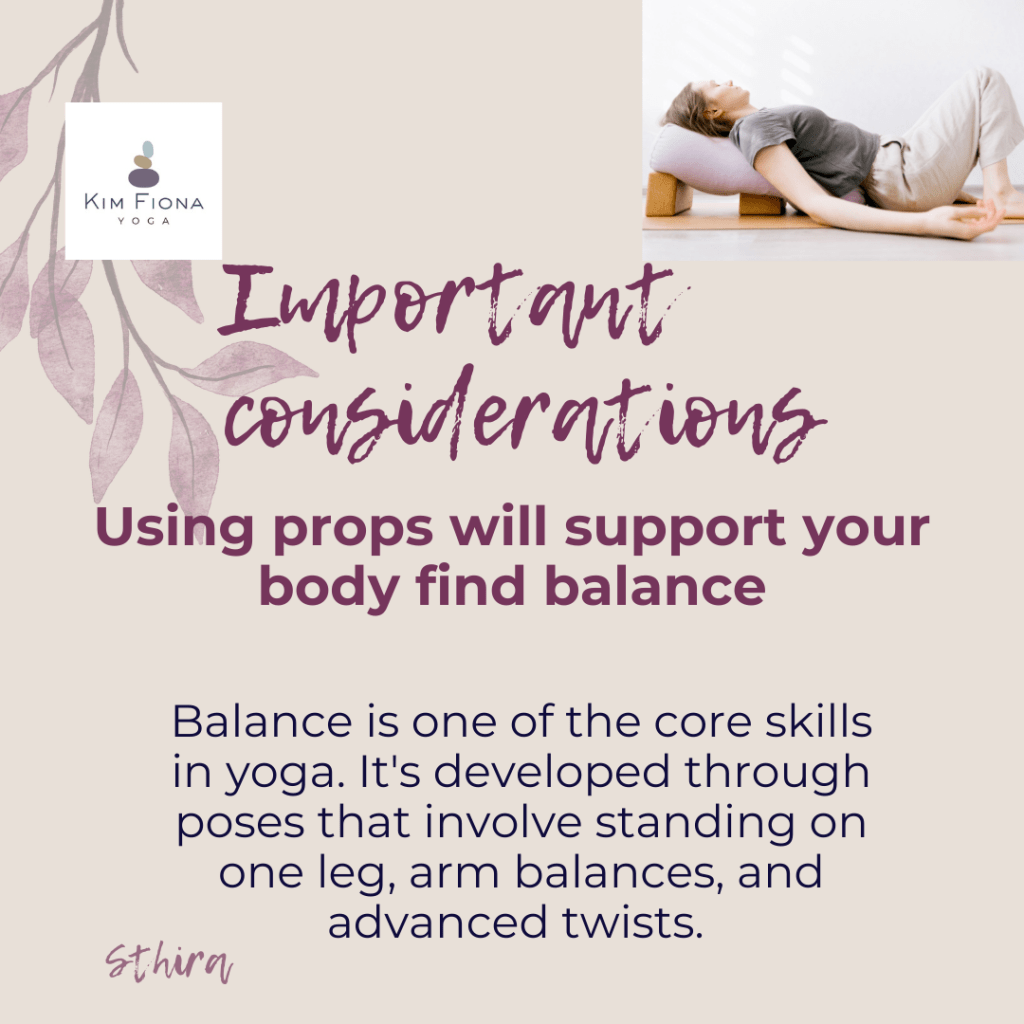
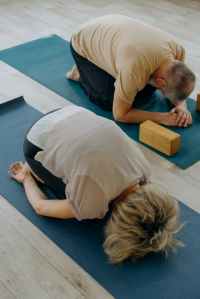
Restorative Yoga: Gentle poses held for extended periods, supported by props, induce deep relaxation and activate the parasympathetic nervous system.
Pranayama (Breathing Techniques): Deep, diaphragmatic breathing and specific pranayama practices like Nadi Shodhana (alternate nostril breathing) calm the mind and balance the flow of energy in the body.
Meditation: Cultivating a still and focused mind through meditation helps to quiet the mental chatter and reduce stress.
Yoga Nidra: This guided relaxation technique induces a state of deep conscious sleep, allowing the body and mind to fully rejuvenate.
By incorporating yoga into our lives, we embark on a journey of self-discovery and healing. The practice not only strengthens our physical bodies but also nourishes our nervous system, fostering resilience, mental clarity, and emotional balance.
As we continue to explore the profound connection between yoga and the CNS, we unlock the potential to live a more harmonious and fulfilling life, where the symphony of our being resonates with peace and vitality.
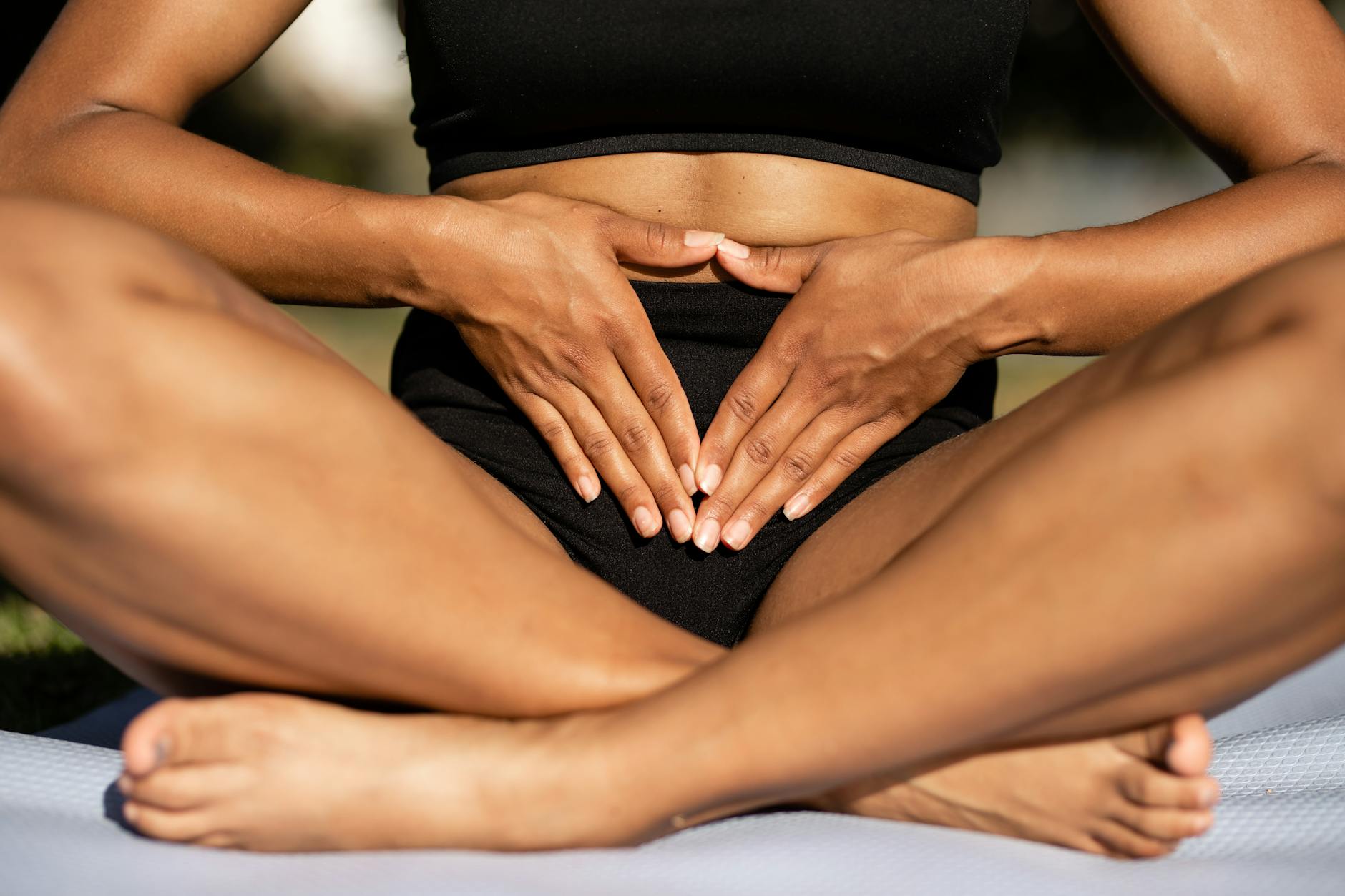
Outdoor Mediation
Call to Action: Roll out your mat today and experience the transformative power of yoga for yourself. Whether you’re a seasoned practitioner or new to the practice, there’s a style of yoga that can support your journey toward a balanced and vibrant nervous system.
Figs, revered since ancient times, offer a treasure trove of benefits for both physical and spiritual well-being. These sweet, succulent fruits, alongside their often-overlooked leaves, provide a holistic approach to healing that resonates beautifully with the yogic philosophy.
Nutritional Benefits:
Rich in antioxidants: Combat oxidative stress, promoting cellular health and longevity.
High in fiber: Supports digestive health and regularity, aiding in detoxification.
Good source of minerals: Calcium, potassium, and magnesium support bone health, muscle function, and nerve transmission.
Vitamins galore: Vitamin K for blood clotting, B vitamins for energy production, and Vitamin A for vision and immunity.
Fig Leaf Infusion: Steep fresh or dried fig leaves in hot water to create a soothing tea. This infusion is traditionally used to support digestion, regulate blood sugar levels, and promote respiratory health.
Fig Leaf Poultice: Crush fresh fig leaves and apply them topically to soothe skin irritations, insect bites, and minor wounds. The leaves’ anti-inflammatory and antimicrobial properties can help accelerate healing.
Fig Leaf Hair Rinse: Infuse fig leaves in water and use it as a final hair rinse after shampooing. This can help strengthen hair follicles, promote scalp health, and add natural shine.
Embrace the wisdom of figs and incorporate them into your holistic healing journey. Experiment with these simple fig leaf recipes and observe their positive effects on your physical, mental, and spiritual well-being. Remember, as yogis, we strive for balance and harmony in all aspects of our lives. Let the humble fig be a gentle reminder of the natural abundance that surrounds us and supports our path toward optimal health and wholeness.
Choose organic figs whenever possible to minimize exposure to pesticides.
Fresh figs are best enjoyed in season, but dried figs can be used year-round.
Consult with a qualified healthcare practitioner before using fig leaves medicinally, especially if you have any underlying health conditions or are taking medications.
Disclaimer: This information is for educational purposes only and is not intended as a substitute for medical advice from a qualified healthcare provider.




































 Kim Fiona Yoga