Yoga can feel intimidating, but it’s actually a vast world with something for everyone! Here’s a quick peek at some popular styles:
Vinyasa: Flowing movements linked with breath, great for building strength and stamina.
Yin: Gentle stretches held for longer periods, targets deep connective tissues.
Iyengar: Precise alignment with props for safety and deeper benefits.
Ashtanga: A vigorous practice with set sequences, ideal for experienced yogis.
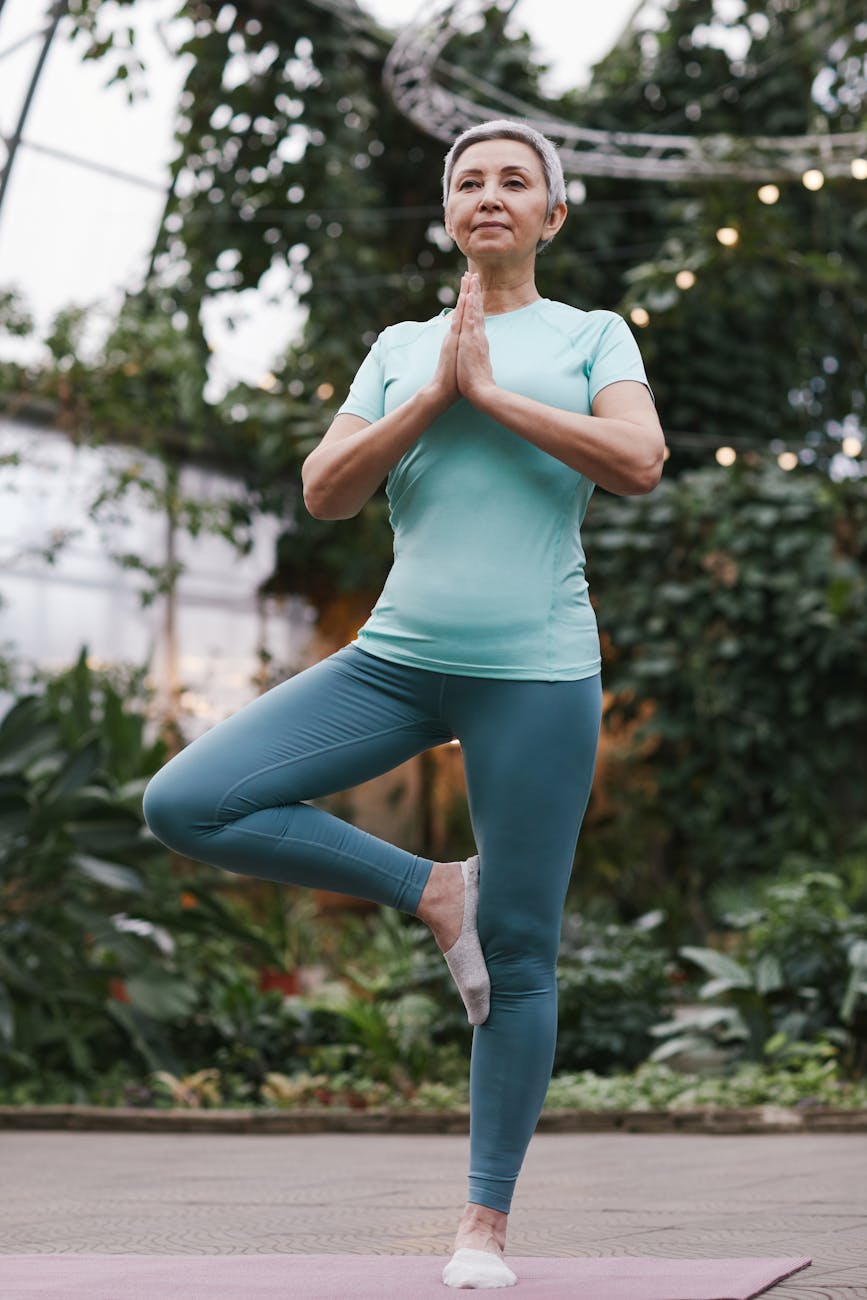
But what if those styles seem intense? That’s where Hatha yoga comes in!
Hatha Yoga: A Gentle Path to Healing
My Hatha classes specialize in creating a safe and nurturing space for all bodies. We focus on fundamental postures, breathwork, and relaxation to cultivate:
Strength & Flexibility: Build a strong foundation to improve your everyday life.
Stress Relief: Unwind and find inner peace through mindful movement and breathing.
Injury Recovery: Gentle exercises can support healing and rehabilitation.
This practice is all about listening to your body and finding modifications that work for you. No fancy poses or pretzel contortions required!
Ready to explore yoga’s healing potential? Join my class and discover a practice that’s accessible, supportive, and deeply rewarding.
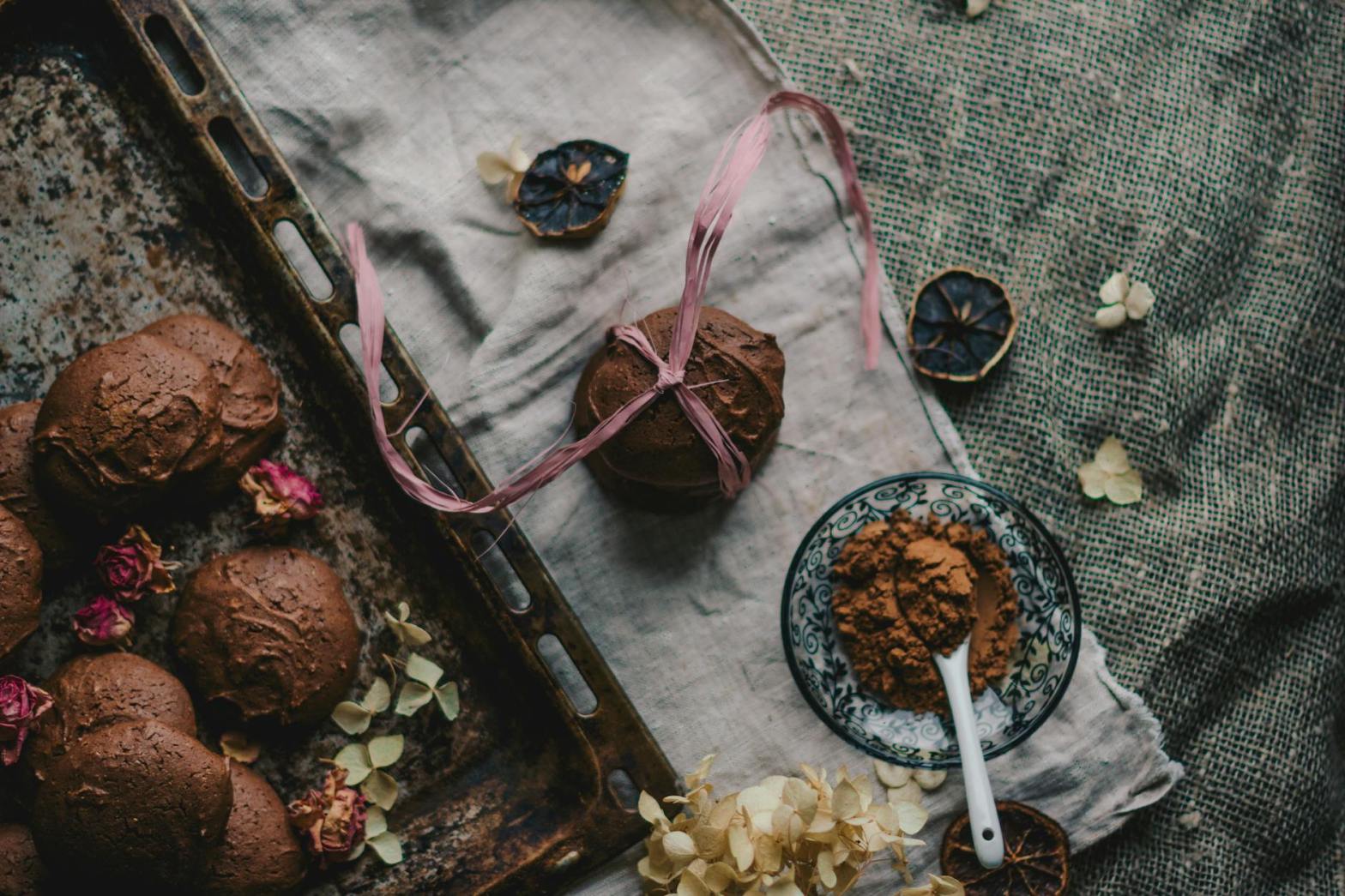
For yogis seeking a treat that nourishes both body and soul, look no further than the magic of cacao! This ancient superfood isn’t just about decadent flavour; it’s a gateway to a more fulfilling practice and a happier you.
Fueling Your Inner Fire:
Sustained Energy: Ditch the sugar crash! Cacao boasts healthy fats that provide long-lasting energy, keeping you focused and strong throughout your entire yoga session.
Muscle Recovery: Rich in magnesium, cacao helps your muscles recover after a challenging practice, allowing you to return to your mat feeling refreshed and ready for more.
Enhancing Your Inner Landscape:
Mood Magic: Cacao is a natural source of mood-boosting compounds, promoting feelings of happiness and contentment. It’s the perfect post-yoga pick-me-up to elevate your spirit.
Mindful Indulgence: Cacao recipes encourage mindful eating. Savor the rich, dark chocolate flavor, appreciating the textures and the way it nourishes your body. This mindful approach complements your yoga practice, fostering a deeper connection with yourself.
Aligning with Yogic Principles:
Balance & Harmony: Cacao recipes often combine the richness of cacao with healthy fats like avocado and natural sweeteners like maple syrup. This embodies yogic moderation, creating a satisfying treat that doesn’t compromise your well-being.
From the Earth, to Your Body: Cacao is a plant-based powerhouse, aligning with the yogic emphasis on living a pure and natural life.
So the next time your sweet tooth calls, embrace the power of cacao! It’s a delicious way to nourish your body, elevate your mood, and deepen your connection with yourself, perfectly complementing your yoga journey.
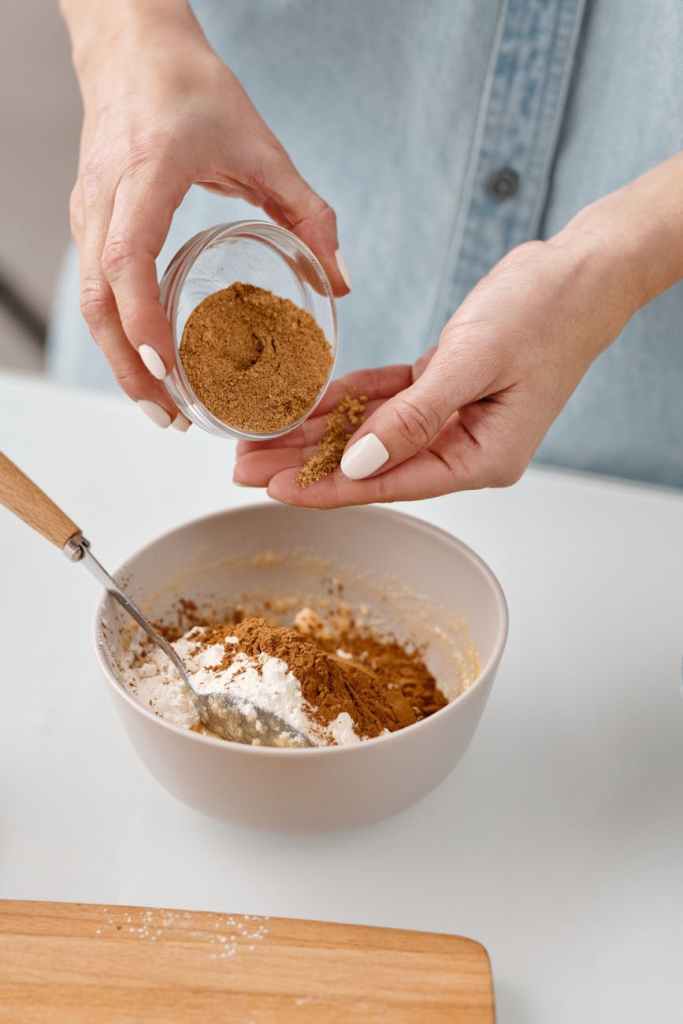
Gently melt the cacao in a saucepan with ¼ cup of the liquid. Gradually stir and work into a paste. Add maple syrup and remaining liquid, gradually stirring so as not to boil and burn.
Gently melt the cacao in a saucepan with ¼ cup of the liquid. Gradually stir and work into a paste. Add cinnamon, ginger and chilli powder. Add maple syrup and remaining liquid, gradually stirring so as not to boil and burn.
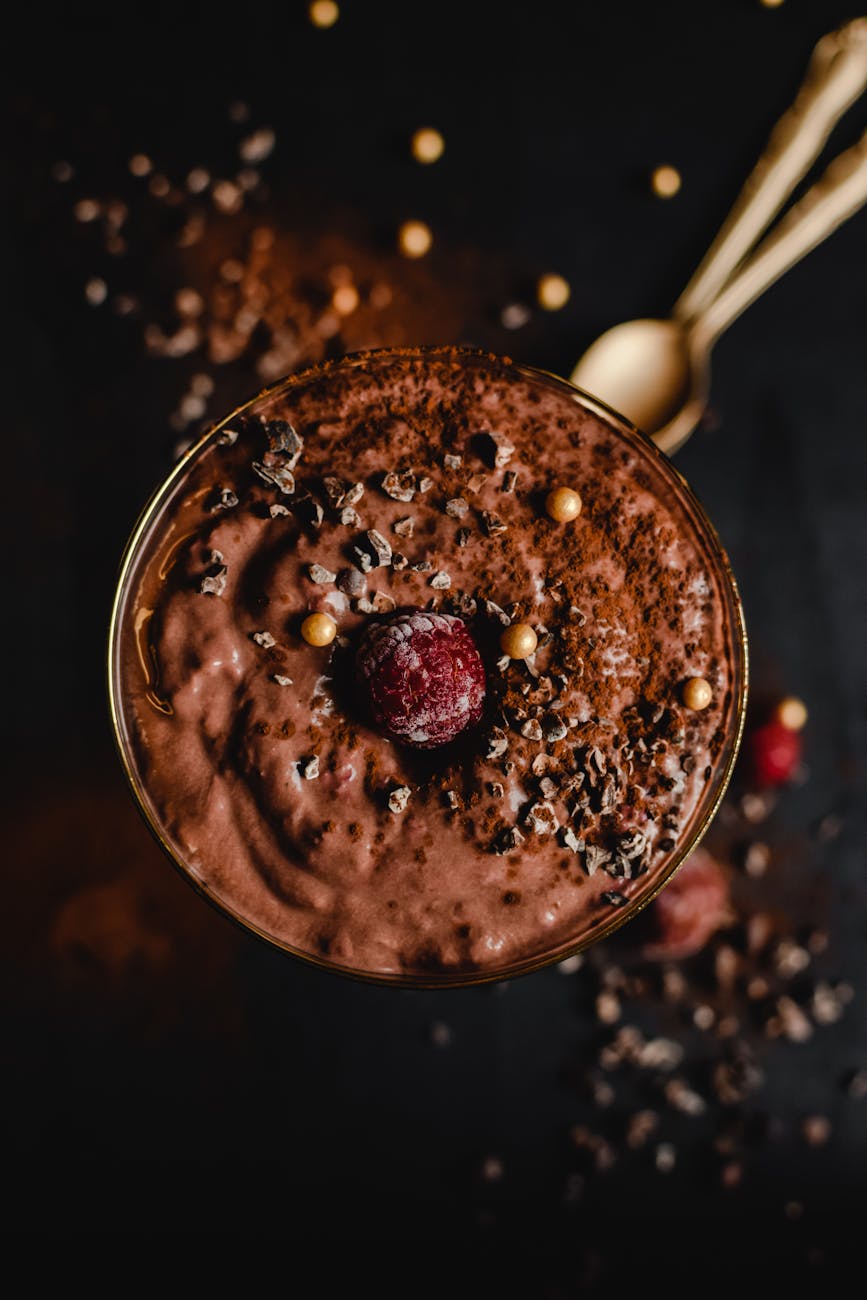
Looking for a way to indulge your sweet tooth while giving your body a boost of healthy fats?
This 5-ingredient wonder is the answer! It’s simple to make and packed with deliciousness, making it the perfect way to satisfy your cravings without sacrificing your health goals.
Add the avocado meat, vanilla, cacao powder and salt to your mixing bowl, start to blend. Pour in syrup, do a flavour check! Add oat milk or water until you achieve the desired consistency.
Mindful Indulgence: “This dessert is a great reminder that healthy eating can be enjoyable! Savour each bite, focusing on the textures and flavours, for a truly mindful indulgence that complements your yoga practice.”
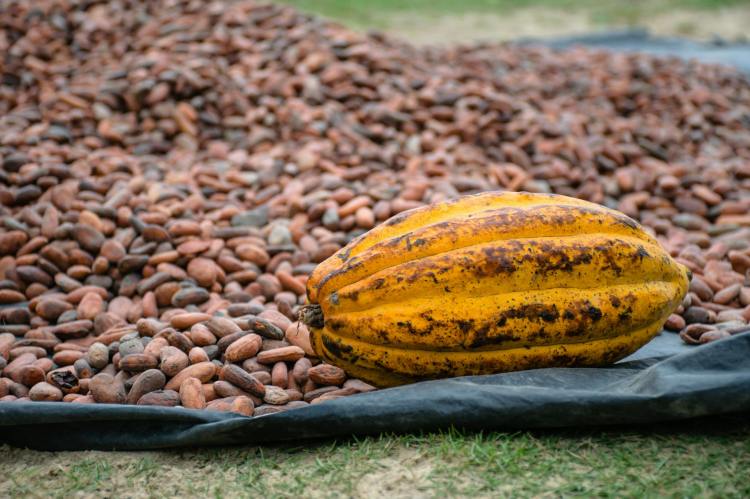
Cacao, the raw and unprocessed version of cocoa, offers a treasure trove of benefits for both your yoga practice and overall well-being. This ancient plant medicine, revered for centuries, can elevate your yoga experience and nourish your body from the inside out.
Enhanced Focus and Clarity: Rich in magnesium, cacao can help quiet the mind and promote mental focus, allowing you to be more present during your yoga practice.
Increased Blood Flow: Theobromine, a natural stimulant in cacao, can improve blood flow, enhancing delivery of oxygen and nutrients to your muscles, leading to better performance and endurance during yoga.
Mood Elevation: Cacao boasts mood-boosting compounds like anandamide (“bliss molecule”) and serotonin, fostering a sense of calm and joy, making your practice more enjoyable.
Deeper Connection: Cacao is believed to open the heart chakra, promoting feelings of love and compassion, aligning perfectly with yoga’s emphasis on mindful connection.
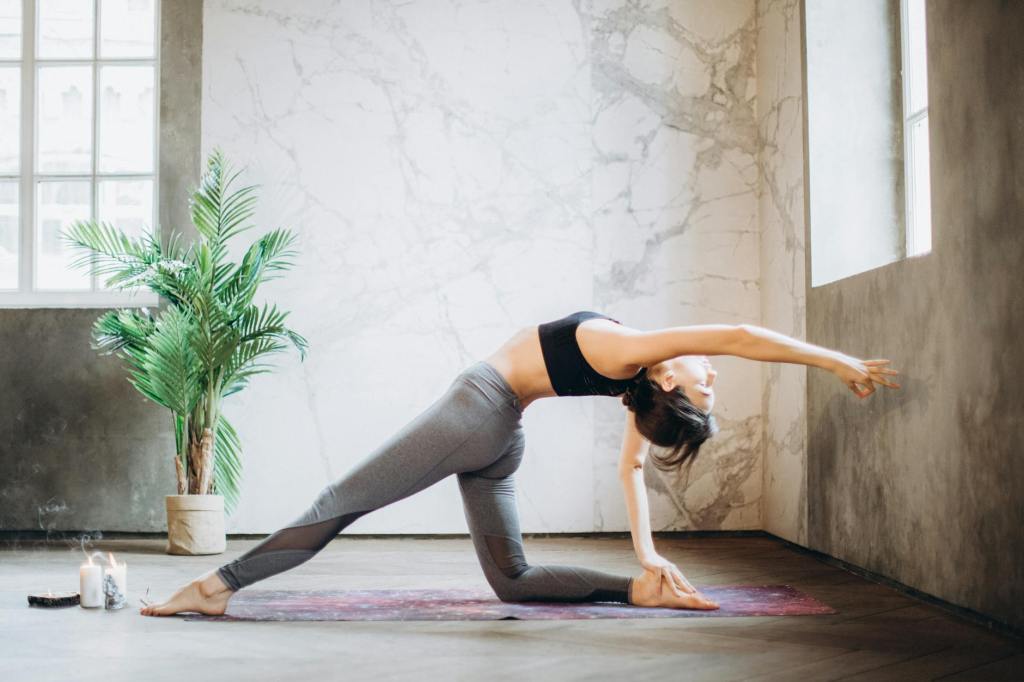
Heart-Opening Poses: Backbends like Urdhva Dhanurasana (Upward-Facing Bow Pose) or Camel Pose can open the heart chakra, resonating with cacao’s mood-boosting properties.
Twists: Postures like Ardha Matsyendrasana (Half Lord of the Fishes Pose) or Marichyasana (Marichi’s Pose) can improve blood flow and detoxification, aligning with cacao’s circulation-enhancing properties.
Forward Folds: Gentle forward bends like Balasana (Child’s Pose) or Paschimottanasana (Seated Forward Bend) promote relaxation and focus, mirroring the calming effects of cacao.
Disclaimer: Consult a healthcare professional before consuming cacao if you have any underlying health conditions or are on medication.
Remember: Start with a small amount of cacao and gradually increase to assess your tolerance.
By incorporating cacao into your diet and yoga practice, you can embark on a journey of deeper connection, enhanced well-being, and a truly transformative yoga experience.
The causes of Fibromyalgia are not clear, and there are several ” triggers” that may be responsible for changes in the central nervous system leading to symptoms. Events such as surgery, injury, genetics, PTSD and Lyme Disease are often associated with Fibromyalgia.
Photo by Jessica Lewis ud83eudd8b thepaintedsquare on Pexels.com
Fibromyalgia is a condition that can cause a gauntlet of symptoms :
Fruits and vegetables, whole grains, healthy fats, low fat dairy and lean proteins.
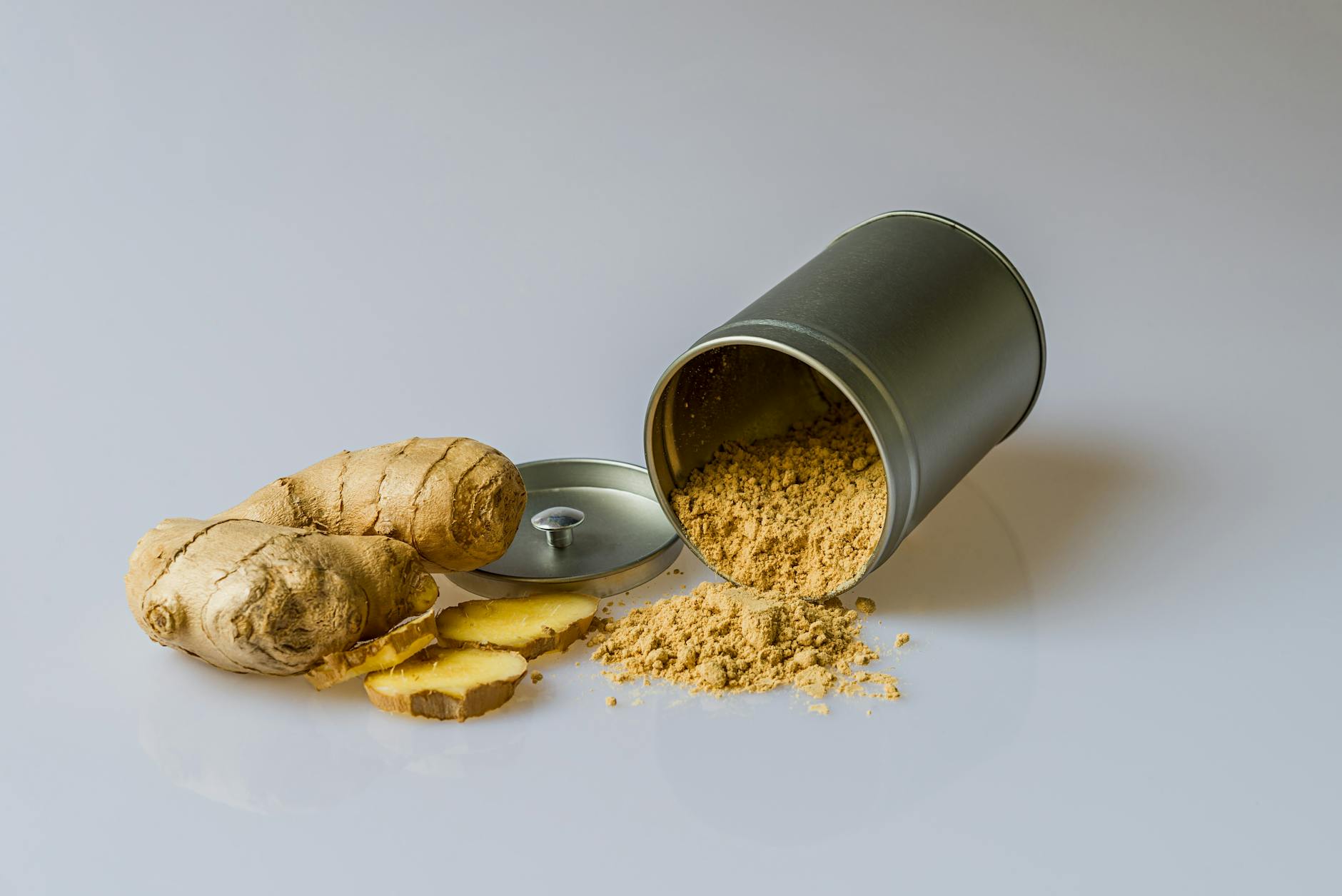
Ginger, Turmeric and Cumin are wonderful for assisting with digestion and reducing inflammation.
When creating your meals try to slow down the absorption of carbohydrates by combining them with lean proteins and healthy fats.
Some foods to try are: avocado’s, nuts and seeds, broccoli and legumes. Don’t forget the dark green leafy vegetables and a good oatmeal breakfast will provide your the nutrients, fibre and energy to start your day.
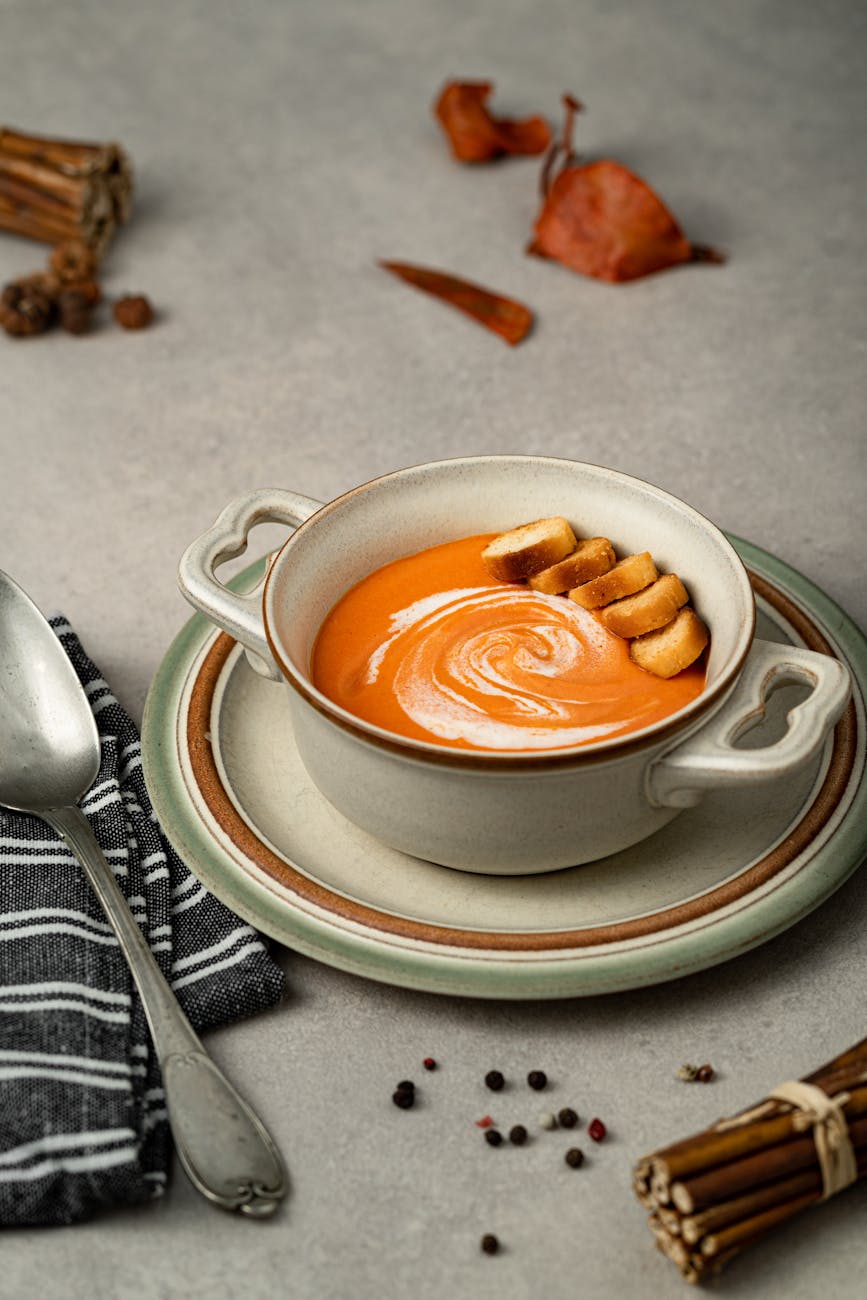
add ginger, tikka masala paste, and tomato puree and stir for 1 minute.
add sugar, water, coconut milk and vegetable stock paste and sweet potato.
bring to boil and cover, simmer for 20 minutes.
add lentils, stir and simmer for 10 minutes
add spinach, stir until wilted. Add salt and pepper as needed.
Add fresh yogurt and naan bread for a perfect dinner.
Keep a Journal
A food journal will help you track how your body responds to the foods you are eating. Tracking your symptoms over a period of time will start to show you patterns in your body response.
Photo by Jessica Lewis ud83eudd8b thepaintedsquare on Pexels.com
Yin Yoga stimulates and stretches the body’s fascia; the thin sheath of connective tissue that surrounds every part of your body. Steady and consistent stretching makes the fascia more adaptable, improving the distribution of nutrients and overall functioning of the body. The muscles and connective tissues receive a deep massage and the body has a chance to find relief and feel nourished.
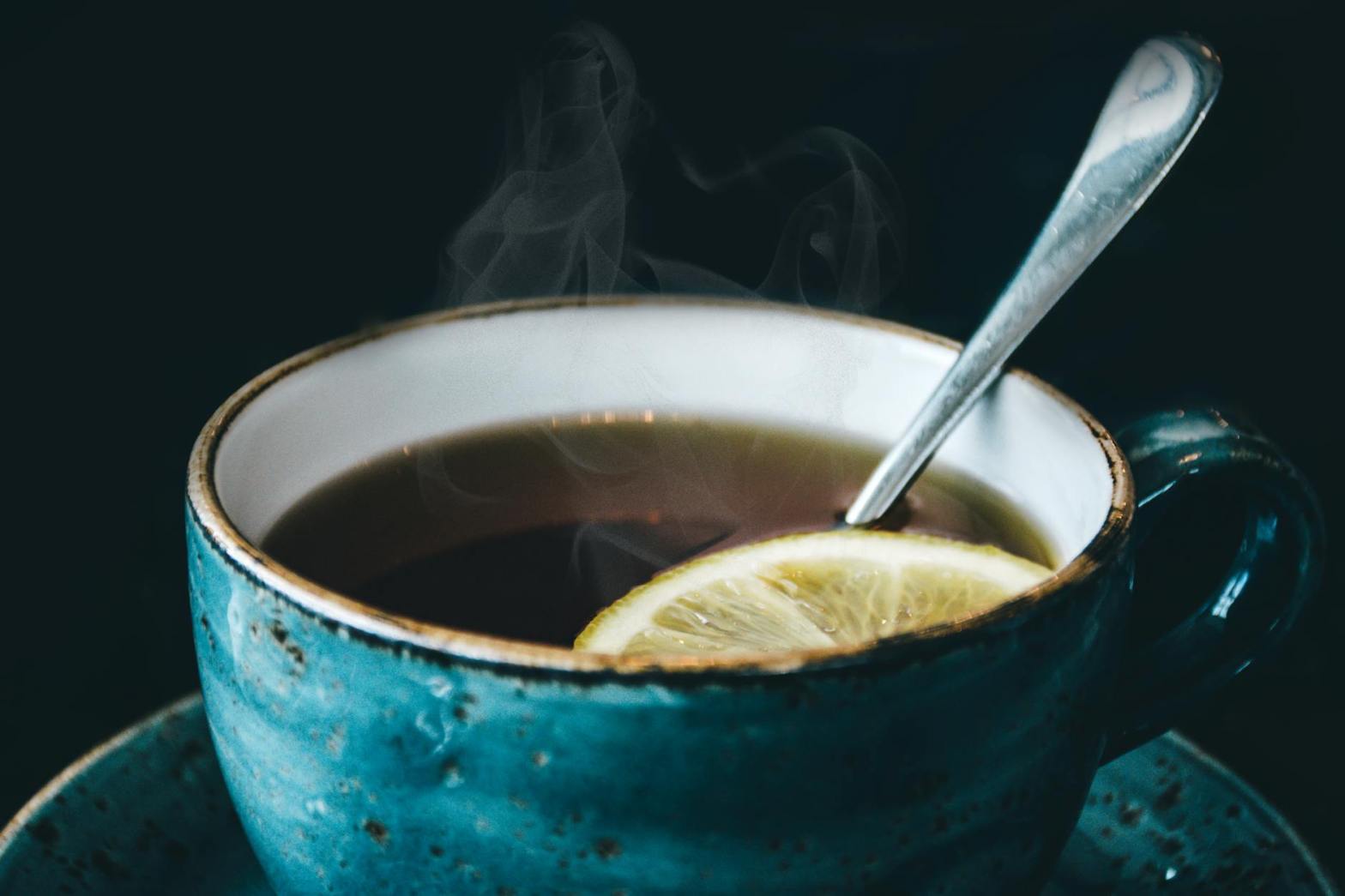
Ginger is known for its exceptional antiseptic and anti-inflammatory properties that help reduce joint pain and swelling. It is also known to increase blood circulation, which is fruitful to cut down pain in the affected areas. You can drink ginger tea
How to Make Ginger Tea It’s easy: Buy a piece of fresh ginger. Trim off the tough knots and dry ends. Carefully peel it. Cut it into thin, crosswise slices. Put a few of the slices in a cup or mug. Pour in boiling water and cover. To get all the goodness of the ginger, let the slices steep for at least 10 minutes.
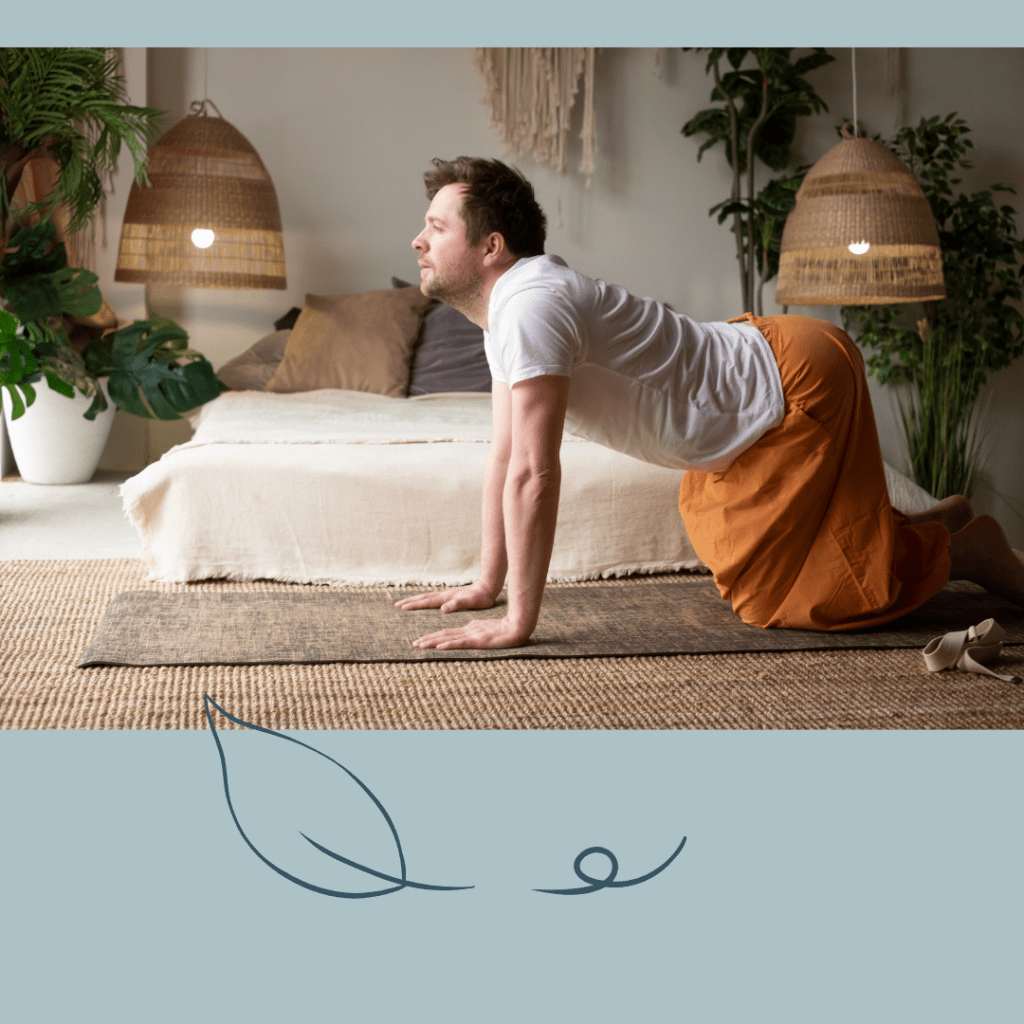
Start on all fours, palms on the floor pointing forward, ensuring the distance between the palms and the knees are same and aligned. Inhale raise the neck up bringing the chest out. Drop your belly and raise your tailbone to the sky. Exhale, bringing your chin down towards your chest. Allow your back to round bringing your belly button towards your spine like a cat. Move slowly and make sure you stack each vertebrae as you inhale and lower your spine. Gently repeat pose with 12 rounds of inhalation and exhalation.
Benefits of Cat Cow Asana
Chakravakasana, is a yoga pose that’s said to improve posture and balance — ideal for those with back pain.
The benefits of this synchronized breath movement will also help you relax and ease some of the day’s stress.
Half Lord of the Fishes is good for stretching your outer hips and thighs, opening your shoulders and chest, building strength in your upper back, lengthening your spine, and stretching the front of your thighs. It can also help stimulate digestion.




















 Kim Fiona Yoga